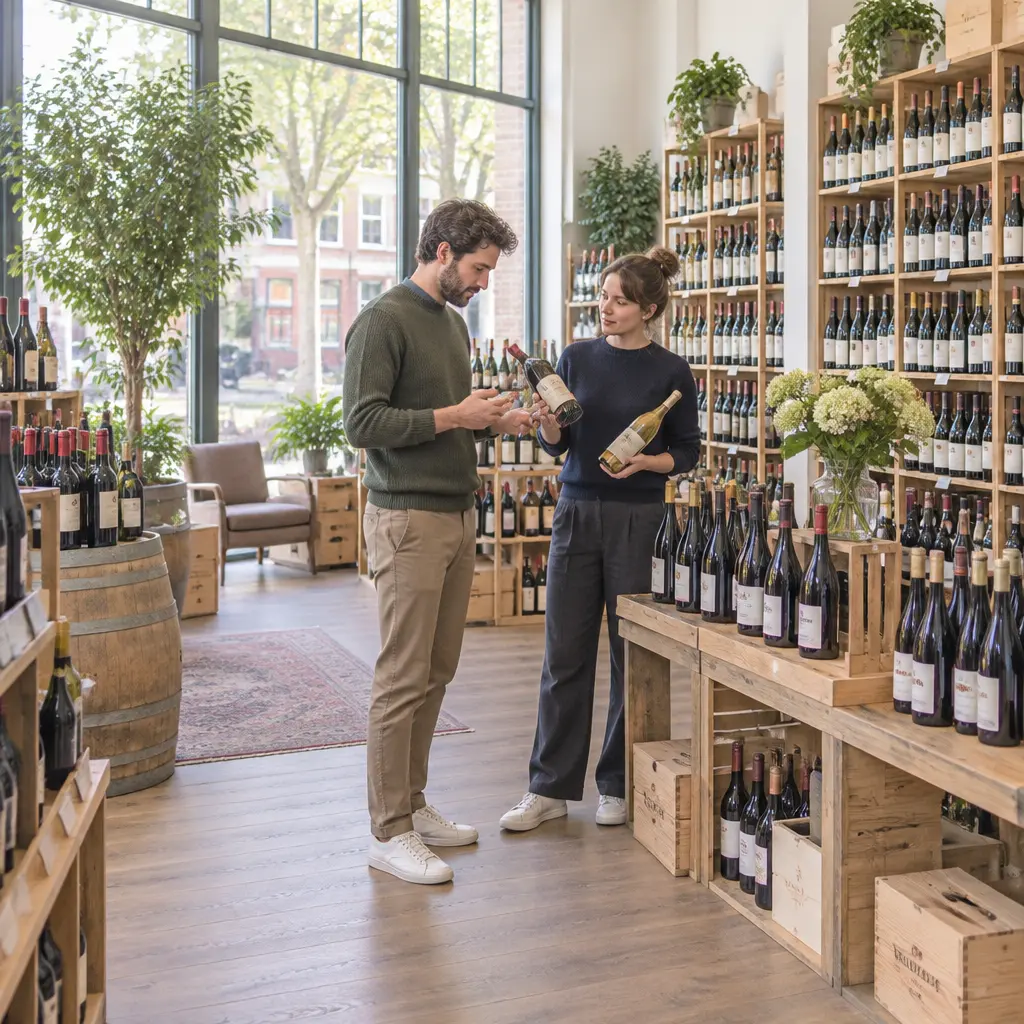
Wine texture is the physical sensation a wine creates in your mouth—its weight, smoothness, grip, creaminess, and sense of freshness. The fastest way to estimate it before buying is to read the grape, alcohol level, climate, and production clues on the label or retailer’s tasting note, then look for words such as “full-bodied,” “silky,” “tannic,” or “crisp.” These clues are useful, not guarantees: grape variety and winemaking can shift a wine’s feel considerably. The guide below explains what texture means, how to decode the strongest clues, and how to use them together to make a quicker, better-informed choice.
Wine texture is a combination of weight, structure, and mouthfeel
Wine texture describes how a wine feels rather than simply how it tastes or smells. The Wine & Spirit Education Trust (WSET) treats body, acidity, tannin, and alcohol as key structural features in tasting; together, these help explain whether a wine seems light, firm, soft, or rich. “Body” is the overall impression of weight, while texture can also refer to sensations such as drying grip, silky smoothness, or a prickly sparkle.
There is no single label term that measures texture. A “full-bodied” wine may feel plush because it has ripe fruit and higher alcohol, or firm because it has concentrated tannin. For a quick prediction, separate texture into three questions: How heavy might it feel? How much grip or freshness will it have? Is there a clue that it was made to feel creamy or especially smooth?
Body: light, medium, or full
Body is the wine’s perceived weight on the palate. Light-bodied wines tend to feel less dense and easier to drink; full-bodied wines tend to feel broader, richer, or more substantial. Alcohol contributes to this impression: as a practical shopping clue, a higher alcohol percentage often points toward a weightier style, although sweetness, acidity, grape variety, and serving temperature can change the result.
Use “light-bodied,” “medium-bodied,” and “full-bodied” in a retailer description as the fastest broad-category signal. If the label shows alcohol by volume (ABV), treat it as supporting evidence rather than a direct body scale: a 14.5% red is more likely to feel warm and full than a lean, lower-alcohol red from a cool climate, but neither clue is conclusive on its own.
Tannin: drying grip and firmness
Tannin is a group of compounds found in grape skins, seeds, and stems, and it can also come from oak. In red wine, tannin often creates a drying, slightly rough or grippy sensation, especially on the gums and cheeks. A wine described as “firm,” “structured,” or “tannic” is therefore more likely to feel assertive than soft, even if it is not particularly heavy.
Grape variety is a useful first clue. Cabernet Sauvignon and Nebbiolo commonly produce wines with noticeable tannin; Pinot Noir and Gamay are often less tannic, though growing conditions and winemaking can alter the style. Tannin is not the same as bitterness, and it can feel less severe alongside food, particularly dishes containing protein or fat.
Acidity: freshness and mouthwatering lift
Acidity gives wine freshness and can make the mouth water. Higher-acid wines often feel brisk, linear, or energetic; lower-acid wines may come across as rounder or softer. The WSET includes acidity among the core structural elements used to assess wine, but the number printed on a bottle usually does not provide a simple acidity score—use tasting descriptions and region or grape clues instead.
Terms such as “crisp,” “zesty,” and “racy” usually suggest noticeable freshness. “Round” or “soft” may signal a less pointed impression, though these words can also describe body or tannin. When a wine is described as both “rich” and “fresh,” expect a fuller texture balanced by acidity rather than a simple, heavy feel.
Wine texture can be predicted quickly from label and style clues
Once you know the main sensations, the next step is to combine clues rather than rely on one word. A useful buying shortcut is to check, in order, the retailer’s body or mouthfeel description, the grape, the alcohol level, and any mention of oak, lees, malolactic fermentation, or residual sugar. Each clue narrows the likely style; together, they provide a practical forecast without opening the bottle.
Grape variety and climate suggest a starting point
Grape variety is a helpful starting point because varieties differ in skin, acidity, and typical flavor concentration. Climate also matters: grapes grown in warmer conditions generally ripen more fully, which can contribute to riper fruit character and higher potential alcohol, while cooler conditions often preserve acidity. These are tendencies, not rules—site, vintage, harvest choices, and cellar decisions all matter.
- For lighter, fresher reds: look for Pinot Noir or Gamay, especially when descriptions mention “delicate,” “bright,” or “silky.”
- For more grip: consider Cabernet Sauvignon, Nebbiolo, or Syrah when notes mention “firm tannins,” “structured,” or “grippy.”
- For crisp whites: Riesling, Sauvignon Blanc, and many cool-climate Chardonnay styles may be described as “zesty,” “mineral,” or “linear.”
- For richer whites: look for fuller-bodied Chardonnay or Viognier, particularly when the description mentions ripe fruit, creaminess, or oak.
A regional name can refine the prediction, but it should not replace the wine’s own description. For example, Chardonnay can range from lean and citrus-driven to broad and creamy depending on where it was grown and how it was made. When the variety has many styles, the winemaking clues become especially important.
Winemaking terms reveal creaminess, smoothness, and grip
Production notes often explain texture more directly than grape names. “Aged in new oak” can suggest added richness and spice, while “aged on lees” may indicate a rounder or creamier impression. Malolactic fermentation, a process that converts sharper malic acid into softer lactic acid, is commonly used in Chardonnay and can contribute to a softer, buttery style. These terms describe possibilities, not guaranteed outcomes; the amount of oak, lees contact, and fermentation choices matters.
Watch for a few especially useful phrases:
- “Unoaked” or “stainless steel”: often signals a cleaner, more fruit- and acidity-focused style, though not necessarily a light-bodied wine.
- “Barrel-aged” or “new oak”: may point to added weight, spice, or a smoother impression, depending on the wine.
- “Lees-aged” or “sur lie”: can suggest added breadth or creaminess, especially in some white wines and sparkling wines.
- “Whole-cluster” or “stem inclusion”: in red winemaking, stems may contribute a firmer, more herbal or textured impression.
- “Carbonic maceration”: often associated with fruit-forward reds that can feel soft and approachable, though style varies.
Retailer tasting notes are the fastest practical tool
A good tasting note translates sensory impressions into buying language. Prioritize notes that specify both body and structure—for example, “medium-bodied, silky tannins, lively acidity”—over a string of fruit aromas alone. “Black cherry and plum” describes flavor; “supple,” “grippy,” or “creamy” is more directly useful for predicting mouthfeel.
When a description uses conflicting terms, read them as separate dimensions. “Rich but fresh” can mean substantial body with enough acidity to keep the wine lively. “Powerful yet smooth” may mean concentrated flavor without prominent drying tannin. If the note is vague, combine the grape, ABV, region, and production details rather than assuming that “smooth” means low alcohol or low acidity.
Wine texture is easiest to predict with a 30-second buying check
A quick, repeatable check is more reliable than trying to infer every sensation from a label. Start with the texture words, then cross-check them against the wine’s structure and production. The following sequence works especially well when shopping online, where the bottle itself offers limited information.
- Choose the target feel. Decide whether you want light and crisp, soft and silky, creamy and rounded, or full and grippy.
- Scan the tasting note. Look for body, tannin, acidity, and mouthfeel words—not just fruit flavors.
- Check grape and region. Use these as style clues, allowing for variation between producers and vintages.
- Check ABV and production. Higher alcohol can support a fuller impression; oak, lees, and malolactic fermentation can point toward added richness or softness.
- Resolve contradictions. If “rich” appears beside “fresh,” expect weight balanced by acidity. If no useful texture clues appear, seek a producer note or trusted retailer description.
For example, a shopper seeking a smooth, lighter red might choose a Pinot Noir described as “bright” and “silky,” with moderate alcohol and little emphasis on oak. Someone looking for a structured dinner wine might instead choose Cabernet Sauvignon with “firm tannins” or “built to age” in the note. These examples illustrate how to combine clues; the bottle’s actual texture will still depend on producer, vintage, and serving conditions.
Conclusion: Wine texture is predicted best by combining clues
Wine texture is the combined feel of body, tannin, acidity, and mouthfeel. The fastest useful prediction comes from reading the tasting note first, then checking grape, climate or region, ABV, and production terms such as oak, lees aging, and malolactic fermentation. No single clue guarantees a particular sensation, but several clues pointing in the same direction make a more dependable guide.
Next time you shop, choose the texture you want before choosing the bottle, and compare the description against the label’s grape and alcohol details. Keeping notes on wines you enjoy will make those clues more personal—and help you buy with greater confidence.
Sources: Wine & Spirit Education Trust, “WSET Level 2 Systematic Approach to Tasting Wine®” and wine tasting guidance, https://www.wsetglobal.com/qualifications/wset-level-2-award-in-wines/; Wine Folly, “Wine Tasting 101: The 4 Steps of Wine Tasting,” https://winefolly.com/tips/wine-tasting-101/; UC Davis Department of Viticulture and Enology, educational resources on wine grapes and winemaking, https://wineserver.ucdavis.edu/